Showing posts with label medical. Show all posts

Tuesday, 11 February 2014

Should Laws Prioritize Lesser or Necessary Evils?


Ethical legal problems arise when two conflicting arguments appear in a certain case. One argument may be against the morals where the law is built and the other argument pertains to the right of the individual in terms of emotions, physical and means of survival. Abortion is one of these cases. In Spain, a proposed law for abortion had stirred public protests. It defies tradition, religion and the right to life, but it also violates the right to a safe decision of an individual already existing in the legal system.
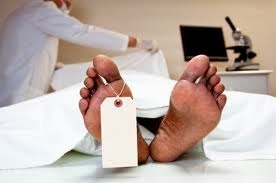


If you think of it, public concern depends on what they define as lesser or necessary evils. A necessary evil is something that lessens the suffering of parties involved in a certain scenario. Euthanasia is also an ethical issue because medical professionals and hospitals swore themselves to save the lives of people, but if the victim asks to end their life, the lesser evil is to end the patient’s life, but is contrast to the medical responsibility a doctor has.

However, if country laws prioritize lesser or necessary evils, loopholes will exist everywhere. Every person could just state that a person declared a right to die even without the person actually saying it. It could be tools of murder hidden in laws for people in power. With a few interjections of laws, they can protect themselves by invoking these lesser evil or necessary evil situations.

 It is difficult to ascertain the level of objectivity and subjectivity laws should have to make a perfect legal system. But in some cases, the answer is very much obvious when to go for the lesser evil choice.

Wednesday, 8 May 2013

Medical Negligence Guide: What You Need To Do


Medical negligence can be very painful as these are injuries sustained in the internal delicate parts of your body. You could gain much compensation from filing medical negligence as my brother in law did. Here’s a few things that he did that I’d like to share here in my blog.


1.     Validate Your Medical Professional’s Name and Hospital
Medical negligence cases involve a medical professional and a hospital that permitted the even to happen. In my cousin’s case, he had his brother verify the medical professional’s name and the hospital the medical professional worked in. It is important to have these recorded in writing or by consultation.

2.     Verify the Existence of Your Operation
Sometimes, medical professionals and hospitals try to cover up facts by covering up the existence of a faulty operation. Be sure to verify the existence of your operation. Have a legal representative inquire about your name, your medical professional and when your operation took place.

3.     Have a Medical Professional In the Same Field Check You Up
A medical professional in the same field as the erroneous doctor could tell where and when in the operation did your medical professional fail, which led to your injuries. This is a crucial step and your medical certificate can verify the presence of your injuries to the court.

4.     Medical Board Examination
Your legal representative will present the case to a medical board, who will then evaluate your claim. With over high percentages of accidents happening in the NHS today, most medical boards ensure that fraud and other suspicious cases are left in the dust. If your case is genuine, my brother-in-law said, then your case is easily passable. If not, you might find a penalty for your claim.